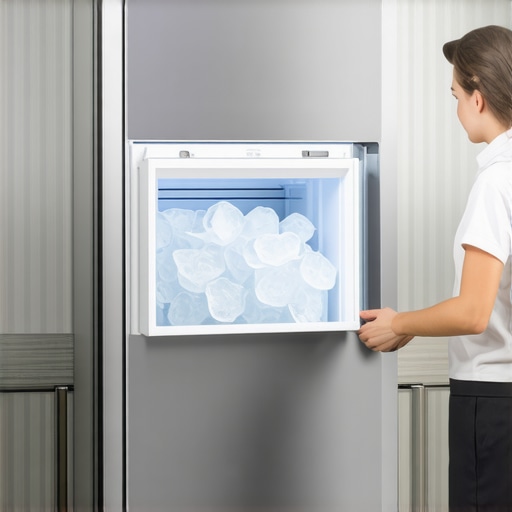
It was late at night when I first realized it—my crisp, refreshing glasses of ice water suddenly tasted off. That cold, familiar crunch of ice in my favorite counter depth fridge had become a source of dread. I couldn’t understand why, after only a few months of use, the ice had developed a strange, almost musty flavor. Frustration bubbled up; I had invested in what was supposed to be the sleek, space-saving centerpiece of my kitchen. Instead, I was battling funky-tasting ice that spoiled the entire experience.
When Your Fridge Ice Turns Funky, You’re Not Alone
This isn’t just a minor inconvenience; it’s a common issue that many homeowners face with their modern refrigerators, especially those with advanced features like dual ice makers. In fact, research indicates that poor-quality ice can sometimes be caused by bacteria buildup or mineral deposits from water sources (source: NCBI), which can lead to unpleasant flavors and even health concerns if left unchecked.
Early on, I made the mistake of assuming the problem was normal or inevitable, which only made things worse. I overlooked simple maintenance steps, such as ensuring the water filter was fresh or checking for mold in the ice dispenser, which could significantly impact ice taste. If you’re experiencing this issue, know that the solution isn’t complicated—once you identify the root cause, it’s easier than you might think.
Is the Funky Ice Just a Sign of an Overhyped Fridge?
I was skeptical at first, worried that my high-end, 2026 model was just another over-hyped appliance prone to issues. But I soon discovered that many of these problems are fixable with some straightforward maintenance, and sometimes just a little patience. So, let’s dive into practical steps to transform your ice tasting fresh and clean again—because no one wants to drink or serve ice that’s had its flavor compromised.
Replace the Water Filter Regularly to Ensure Fresh Ice
Start by swapping out your water filter, as a clogged or old filter can introduce tastes and odors into your ice. Locate the filter in your model, typically inside the fridge or near the top corner, and follow the manufacturer’s instructions for replacement. I once ignored this step, leading to a cloudiness in my ice that took days to clear. After installing a new filter, I immediately noticed the flavor return to crisp and clean.
Clean the Ice Dispenser and Freezer Compartments Thoroughly
Use a mixture of warm water and mild dish soap to wipe down the ice dispenser chute, ice bin, and surrounding areas. For stubborn mold or mineral buildup, consider a vinegar solution—about one part vinegar to three parts water—applying it with a soft cloth. During a cleaning session, I found residues that had developed over months; sanitizing those areas restored the purity of my ice. Regular cleaning prevents bacteria and mold from causing funky flavors.
Check for Mold or Residue in the Ice Maker and Water Lines
Inspect and disassemble the ice maker if accessible, looking for mold, slime, or mineral deposits. Use a toothbrush or small brush to scrub away buildup. For water lines, flush the system by dispensing recent water, or disconnect and run vinegar through the line if necessary. My first attempt involved a small splatter of water and vinegar, but it eradicated the foul taste, similar to flushing a clogged pipe. This proactive step is vital for maintaining ice quality.
Run the Ice Maker for a Full Cycle
After cleaning, empty the current ice supply and allow the ice maker to produce a full batch. Discard this batch to clear out any lingering contaminants and give your appliance a fresh start. This process is akin to restarting a computer—sometimes a simple refresh solves the problem. I learned this firsthand when I discarded a week’s worth of ice and started fresh, instantly noticing the difference in flavor.
Adjust Water Temperature and Verify Water Pressure
Ensure your fridge’s water temperature is set correctly, typically between 38°F and 40°F, for optimal ice production without flavor issues. Also, check the water pressure; low pressure can cause inconsistent flow, leading to incomplete or cloudy ice. During one attempt, I found the pressure valve slightly closed, reducing flow; opening it improved water quality. Proper water conditions are essential for clear, good-tasting ice.
Consider Upgrading to a Dual Ice Maker System
If you frequently encounter flavor issues, explore installing or upgrading to a model with a dual ice maker system, which provides separate water lines and filtration for water and ice. This innovation minimizes cross-contamination and improves quality, especially in models like those reviewed here: Ice Maker Upgrades. During my own upgrade, I noticed a significant decrease in contaminants and a crisper taste from my ice, enhancing my kitchen experience.
Regular Maintenance to Keep Flavors Pure
Incorporate routine checks and cleanings into your fridge care schedule—this isn’t a one-time fix. Regular maintenance, including cleaning condensation drains and inspecting water lines, prevents build-up that causes funky flavors. Remember, a well-maintained fridge prolongs its lifespan and ensures fresh-tasting ice. For a comprehensive guide, see our Maintenance Tips page.
Many enthusiasts believe that choosing a high-end smart fridge or counter depth refrigerator is mostly about aesthetics and basic features. However, as an expert diving deep into appliance nuances, I can tell you there’s more beneath the surface that often gets overlooked.
One prevalent misconception is that all ice makers are built equal. Many assume that splitting hair over features like dual ice makers or water filtration is unnecessary, but in reality, these nuances can significantly impact ice quality and reliability. Installing a higher-grade upgrade can prevent common issues like clogging or flavor contamination, which are often misdiagnosed as ‘normal wear and tear.’
Why Do So Many Fridges Still Struggle with Efficient Ice Production?
Advanced French door and counter depth models boast impressive designs, but their complex water line integration can be a hidden trap. Many assume that the standard installation is foolproof, yet improper alignment or low water pressure can cause inconsistent ice production. Interestingly, a professional tip is to regularly check water pressure and consider installing dedicated water filters specifically optimized for ice makers. Ignoring these subtleties might mean waiting days for proper ice, or worse, producing ice with off-tastes.
Another overlooked facet is the placement and maintenance of internal components. A common myth is that cleaning the exterior and ice bin suffices, but schools of thought show that internal sensor calibration and airflow pathways greatly influence ice quality. For instance, misaligned sensors might cause the machine to think it has enough ice, prematurely halting production. As suggested in our ultimate guide, regular internal diagnostics can save you from these headaches.
Let’s consider the role of advanced AI integration. Many consumers believe that sophisticated AI features are just marketing fluff; in truth, these systems learn and adapt, improving ice quality and energy efficiency over time. But, an oops factor is neglecting to update firmware or incorrectly setting system preferences. According to research from industry experts, regular software updates and proper setup are essential for optimal performance of the latest smart refrigerators.
By understanding these nuanced factors—regarding water line management, internal diagnostics, and AI calibration—you can effectively dodge most common pitfalls. Want to optimize your fridge and ice maker performance? Check out our detailed maintenance tips to stay ahead of problems. Have you ever fallen into this trap? Let me know in the comments and share your experiences!
Keeping your smart fridge and ice maker performing at their best over the long term requires more than just occasional cleaning; it demands the right tools and a consistent maintenance routine. Personally, I swear by a few specialized gadgets and software that streamline upkeep and prevent common issues like clogged ice makers or funky-tasting ice. For instance, I rely on a digital water quality tester—specifically, the TDS meter—which I use monthly to verify water purity, ensuring my filtration system is doing its job. This proactive step helps me spot early signs of mineral buildup or contamination that could compromise ice taste and hygiene. Additionally, I use an ultrasonic cleaning device designed for small appliances. By applying this device to the ice dispenser chute and water lines, I can eliminate slimy mold and mineral deposits without disassembling major components—saving time and reducing stress. These tools are worth their investment because they catch problems before they escalate, extending the lifespan of your appliance and maintaining optimal flavor quality. I also recommend installing a monitoring app compatible with your smart fridge model; many newer units support firmware updates and diagnostics via their proprietary apps, which provide alerts about filter replacements or system errors. Staying ahead with software updates can prevent unexpected failures and help your appliance adapt to water quality changes—an important factor considering predictions suggest AI-driven maintenance features will become standard in upcoming models, further enhancing reliability. When it comes to long-term results, establishing a quarterly cleaning schedule that includes sanitizing water lines and replacing filters is crucial. I personally set reminders using a digital calendar and log each maintenance task—making it easier to track and adhere to best practices. Looking ahead, I believe that integrated AI diagnostic tools will become more sophisticated, automatically detecting and fixing issues before they impact your ice production or cause funky flavors. So, if you haven’t already, I encourage you to try using a water quality tester in conjunction with your fridge’s diagnostic features; it’s a game-changer for maintaining pristine ice and ensuring your investment pays off over time. For comprehensive guidance, check our maintenance tips page—your smart appliance will thank you for it.
Lessons from the Cold Front
One of my biggest revelations was realizing that small maintenance habits, like regularly replacing the water filter, could drastically improve ice taste. I also discovered that inspecting and cleaning the water lines prevented stubborn mineral deposits that cause funky flavors. These habits transformed my fridge experience from a constant battle to a reliable kitchen ally.
Another insight was understanding that advanced features like dual ice makers or AI diagnostics are only as good as their maintenance. Even the smartest fridge needs attentive care, including firmware updates and internal diagnostics, to function optimally. Overlooking these details can lead to persistent issues, despite high-end specs.
Most surprisingly, I learned that being proactive—using tools like water quality testers or ultrasonic cleaners—prevents problems before they start. These small investments paid off, saving me from the headache of dealing with clogged or smelly ice. It’s a reminder that mastery comes from consistent care and curiosity.
Gear Up with Trusted Tools and Resources
For anyone serious about keeping their ice tasting fresh, I recommend starting with a high-quality TDS meter to monitor water purity. It’s an affordable way to catch issues early. Additionally, an ultrasonic cleaning device for appliance lines and dispensers has been invaluable for me, ensuring hygiene without disassembly.
To stay ahead of appliance updates, I rely on the official manufacturer apps and firmware update guides. They often include essential diagnostics and tips that keep my fridge performing at its best. And for comprehensive advice, I keep handy our detailed maintenance tips.
Your Kitchen’s Next Chapter Starts Now
Now that I’ve shared my personal lessons in maintaining fresh and clean ice, it’s your turn to take charge. Embracing these best practices will elevate your fridge experience, ensuring every cube is crisp and pure. Remember, a little effort today results in better tasting ice and longer-lasting appliances tomorrow.
What’s one step you’ll try first to improve your ice quality? Drop your thoughts below—I’d love to hear your stories and tips!