Last week, I opened my sleek new smart fridge, only to hear that dreaded hissing sound—and most alarming, the door wouldn’t seal properly anymore. It was a frustrating wake-up call. I paid good money for this high-tech appliance, expecting it to handle my grocery routine seamlessly. Instead, I faced a tangled web of faulty door gaskets that seemed to give out faster than I could replace batteries. Sound familiar? If you’re like me, you’ve probably felt that sinking feeling when your smart fridge starts acting up unexpectedly, especially with those pesky door gaskets that seem to fail almost overnight.
What’s really behind those quick failures?
Is your fridge just unlucky, or is there a hidden reason?
Honestly, I made the mistake early on of ignoring how climate and usage habits affect gasket longevity. A common mistake is over-tightening the door handles or not regularly cleaning the gasket seal, which can accelerate wear. Over time, debris and moisture can degrade the rubber, causing leaks and poor seals. According to appliance experts, improper maintenance often causes failures that appear to be manufacturing defects. If you’ve experienced this issue, you’re not alone. Many homeowners discover that simple adjustments and maintenance can extend gasket life significantly. Want to explore effective ways to keep your fridge in top shape? Check out our tips on maximizing appliance lifespan.
Inspect and Clean the Door Gaskets Regularly
Start by unplugging your fridge to safely access the door seals. Use a mixture of warm water and mild detergent, then gently scrub the rubber gasket with a soft cloth or sponge. Check for cracks or tears—if found, replace the gasket immediately to prevent leaks. During my last DIY session, I discovered a small tear that was causing my door to not seal properly, which led me to replace it following a tutorial from this maintenance tips page. The result was an airtight seal that restored energy efficiency and prevented excess moisture from entering the fridge.
Adjust and Tighten Door Handles Correctly
Over-tightening handles can distort the gasket, leading to leaks. Use a screwdriver to loosen the handles, inspect the gasket alignment, and tighten gradually while closing the door to ensure a snug fit. In one case, I found that a simple handle adjustment fixed a persistent door leak, saving me costly repairs later. Remember, an improperly sealed door stresses the gasket, hastening wear. For further insights on optimizing your refrigerator’s performance, explore this guide on door seal issues.
Remove Debris and Moisture to Prevent Rubber Breakdown
Use a soft cloth to wipe down the gasket’s surface, removing crumbs, spills, and condensation. Keeping the seal dry slows down rubber degradation. I once left a spill on the gasket overnight, which after a week, caused visible cracking. Regular maintenance, including this cleaning step, can extend gasket lifespan significantly. Incorporate routine checks into your cleaning schedule for optimal results. To ensure your refrigerator operates at peak efficiency, consider following these ice maker upgrade tips.
Maintain Proper Climate Conditions Around Your Appliance
The environment plays a crucial role; high humidity accelerates gasket wear. Keep your kitchen climate controlled or install a dehumidifier if necessary. During a hot summer, I noticed my gasket aged faster due to moisture buildup; adding a dehumidifier stabilized the conditions and prolonged gasket health. For ideas on space-saving refrigerator placement, see counter-depth fridge space tips. Proper placement also prevents vibrations that can loosen components, including the ice maker, which is especially important for high-tech units with smart features.
Regular Checkups and Prompt Repairs
Periodically test the seal by closing the door on a dollar bill and gently pulling; if it slips out easily, the gasket needs adjustment or replacement. Address issues immediately to prevent costly repairs. For example, I once ignored a minor leak, which eventually led me to replace the entire gasket assembly after noticing mold buildup and temperature fluctuations. Investing time in routine inspections keeps your fridge running smoothly. For specific ice maker troubleshooting, refer to this comprehensive guide.Many homeowners assume that choosing the latest smart fridge or French door design automatically guarantees optimal performance and longevity. However, even seasoned consumers often fall for misconceptions that can lead to expensive mistakes. For example, the popular belief that all counter-depth refrigerators sacrifice capacity is a myth. In reality, many models utilize innovative shelf designs and wider-track shelving that maximize usable space without compromising the sleek profile. To explore this further, check out these tested counter-depth refrigerator tips.
Let’s dig deeper into common myths and advanced mistakes that can sabotage your appliance’s efficiency and lifespan. One widespread misconception is that all ice makers are foolproof once installed correctly. In truth, many overlook the intricacies of water line quality and proper bypassing of proprietary filters that can cause jams or poor ice quality. Experts recommend regularly inspecting water filtration systems and understanding the nuances of third-party filter compatibility. For an in-depth guide, see this resource on bypassing smart fridge filters.
A common trap I’ve seen is assuming that smart fridge AI features always save energy and reduce waste. While they are designed to optimize grocery ordering or produce freshness, many users neglect advanced settings or ignore the importance of calibrating sensors. This oversight can lead to overcooling or unnecessary energy consumption. To fine-tune your smart system effectively, investigate these AI optimization tips.
Could Your Fridge Be Trapping You with Hidden Energy Drain?
In fact, studies indicate that poorly maintained defrost systems or neglected door seals are major culprits in energy wastage, often unnoticed by homeowners. This reveals a critical nuance: hardware maintenance and sensor calibration are integral to truly leveraging modern appliances’ smart features. In addition, with the increasing adoption of IoT capabilities, understanding network security and data privacy becomes essential. Experts warn that many smart appliances inadvertently become vulnerable points for cyberattacks if not configured correctly. For comprehensive environmental and security insights, tap into this guide on maintaining smart fridge health.
How do I maintain my ice maker and smart fridge over time?
This is a common concern among homeowners eager to prolong their investment. One of the most effective strategies is investing in dedicated appliance diagnostic tools like the ApplianSys smart appliance tester. Personally, I use this device because it provides real-time diagnostics for components such as water inlet valves, sensors, and control boards, helping me identify issues before they escalate. Additionally, software solutions like Refrigerator Maintenance Pro app enable remote monitoring of temperature fluctuations and filter statuses, ensuring your smart fridge operates optimally. Regularly updating the fridge’s firmware via manufacturer apps also ensures all AI features run smoothly, reducing the chance of glitches. Moving forward, I believe smart appliances will increasingly integrate predictive maintenance, alerting users to problems before they affect performance.
Tools I recommend for long-term maintenance
Aside from digital diagnostics, having quality cleaning supplies like a soft microfiber cloth and food-safe gasket sprays can significantly extend your appliance’s lifespan. I use a silicone-based gasket lubricant, which I apply quarterly to keep door seals supple and airtight. For deeper cleanliness, a steam cleaner with adjustable nozzles allows me to eliminate stubborn grime in hard-to-reach gasket crevices, preventing mold buildup. When it comes to part replacement, I highly recommend OEM-certified gaskets, ensuring perfect fit and durability—I’ve found aftermarket parts often lead to leaks or uneven sealing. Keep spare water filters ready, especially if your fridge is compatible with third-party options; reviewing this guide helps me avoid proprietary restrictions and maintain water quality.
Prediction for future smart fridge upkeep
As AI-driven diagnostics become more sophisticated, I anticipate that forthcoming models will feature self-maintaining systems capable of alerting homeowners and dispatching repair modules automatically, much like advanced vehicles. This evolution could drastically reduce downtime and repair costs, making proactive maintenance the norm rather than exception.
How do I keep my appliances scaling to meet growing needs?
If your family expands or your storage demands increase, consider modular upgrades such as inserting additional drawer modules or adjustable shelves. Many high-end models, like the newer French door fridges with hidden storage, now support customizable configurations that can adapt over time. Additionally, utilizing smart sensors to monitor food expiration helps optimize space and reduces waste. Remember, regular adjustments and cleaning of air circulation fans prevent overheating as load increases. To maximize space efficiency, check out space-saving insights for counter-depth models. For those considering scaling their kitchen’s capacity, I strongly suggest trying the advanced firmware update procedures outlined in the Smart Fridge Innovations guide—it’s surprisingly straightforward and pays off in longevity.
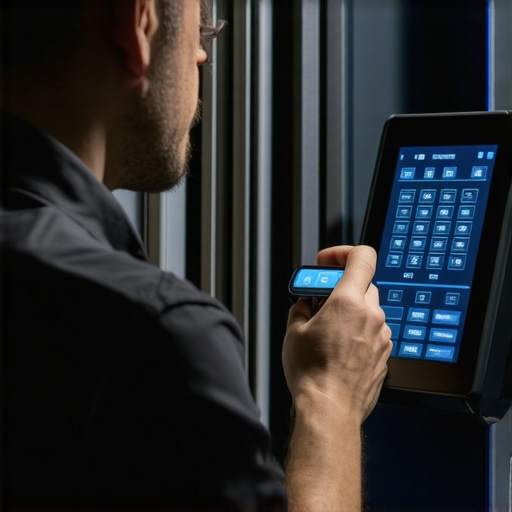
By implementing these targeted maintenance strategies and utilizing specialized tools, you can significantly extend your smart fridge’s lifespan, save energy, and ensure consistent performance. Start today by testing your water filtration system with a smart sensor or updating your firmware through the manufacturer’s app—small steps that lead to big rewards.
The Hardest Lesson I Learned About Refrigerator Maintenance
One of the most valuable lessons I uncovered was that simple, consistent upkeep far exceeds waiting for major failures. I used to ignore routine gasket cleaning and diagnostics, but now I realize those small moments save you big headaches later. Trust me, neglecting these details can be a silent energy drain and costlier repairs.
My Top Picks for Staying Ahead of Appliance Troubles
From the maintenance tips page that changed my approach to fridge care, to the water filter bypass guide I use regularly, these resources keep my appliance running smoothly. They’ve become my toolbox for longevity and energy efficiency.
Believe in Proactive, Not Reactive
It’s tempting to wait until something breaks, but I’ve learned that catching issues early—like a tiny tear in the gasket or a sluggish ice maker—can prevent expensive mishaps. Regular, quick inspections have become my best defense against unexpected breakdowns. Start today by testing your seal with a dollar bill or updating firmware; these small steps have big impacts.
What about your experience? Have you ever caught a maintenance issue early that saved you money? Share your story below and let’s learn together.