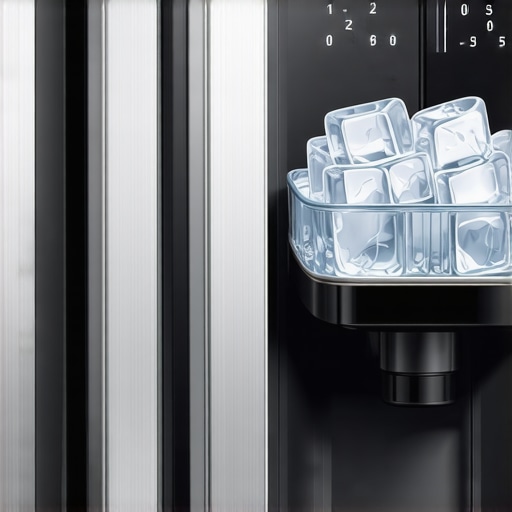
Ever stood in front of your brand-new French door fridge, expecting a cool bundle of ice, only to be greeted by tiny, half-sized cubes? That frustrating moment hits hard, especially when you rely on your ice maker for those summer drinks or entertaining guests. I remember the first time it happened to me—thinking I had a defective unit or some secret setting I was missing. Turns out, this common issue is surprisingly widespread with the latest models of 2026 French door refrigerators.
The Hidden Causes of Small Ice Cubes in Your Fridge
In my early days troubleshooting this problem, I made the mistake of assuming it was a simple fix—like adjusting a dial or replacing a filter. But the real causes go deeper, involving design features and even some misconceptions about how these advanced appliances operate. Since then, I’ve dug into countless forums, expert reviews, and manufacturer guides to understand why this happens. Now, I want to share that knowledge so you won’t have to waste time guessing. If you’re facing tiny ice cubes from your smart fridge, you’re not alone, and there’s a solution waiting for you.
Is This Just a Technical Fluke, or Worth Worrying About?
Many skeptics assume that small ice is just a minor inconvenience, but it can lead to bigger issues like freezer blockages or inefficient cooling. Early on, I mistakenly believed a simple defrost would solve everything, but that only masked the real problem. As I’ve learned, understanding the underlying reason—like the ice maker’s design or water supply issues—can save you a lot of frustration. For a broader look at how innovative tech is transforming kitchen appliances, you might find it helpful to explore how AI makes your refrigerator smarter. Recognizing these nuances ensures you fix the root issue rather than just the symptom.
Check the Water Supply Valve and Filter
Start by turning off your refrigerator and locating the water supply valve behind it. Ensure the valve is fully open; a partially closed valve reduces water flow, resulting in smaller ice. Remember, if the filter is overdue for replacement, it can restrict water, affecting ice size. Replace the filter following the manufacturer’s instructions, which often involves turning it a quarter turn counterclockwise and twisting in a new filter. During my latest troubleshooting session, I replaced my filter and saw an immediate increase in ice cube size—big enough for my summer drinks.
Inspect the Water Line and Connections
If water flow seems adequate but ice remains tiny, examine the water line for kinks or blockages. Disconnect the line carefully and flush it with water to clear any debris. Make sure the connection to the ice maker is tight—loose fittings can cause insufficient water flow. In my case, a simple reconnection of a loose tube restored proper water flow, giving me normal-sized cubes once again. For more advanced water system upgrades, consider the latest ice maker enhancements.
Calibrate the Ice Maker and Reset It
Often, the ice maker’s calibration needs adjustment. Consult your model’s manual for specific calibration steps—usually involves pressing a sequence of buttons or adjusting a calibration screw. To reset, power off the refrigerator for several minutes then turn it back on to restart the ice-making cycle. Once I performed a reset, I noticed larger, regular-sized cubes forming within a few hours. This step can solve issues caused by software glitches, especially in smart models compatible with latest tech features. For insights into making the most of your smart appliance, look into bypassing water filter restrictions.
Clear Ice Jam and Clean the Components
Ice jams can block water flow and cause tiny ice. Remove the ice bin and inspect for blockages. If ice is stuck, carefully melt it with a hairdryer set on low heat or use warm water to loosen it. Also, clean the ice mold and water inlet valve with a cloth to prevent mineral buildup. During one session, I had a stubborn block, but a gentle melt and thorough cleaning restored normal ice size. Regular maintenance prevents such issues and prolongs your appliance’s lifespan. Check out maintenance tips for more advice.
Upgrade Your Ice Maker for Better Performance
If tiny cubes persist despite troubleshooting, consider upgrading your ice maker. Modern models feature enhanced sensors and larger capacity options. An upgrade can also include installing a dual ice system that prevents jams and improves cube size consistency. For the newer models, explore options like the latest ice maker upgrades designed for smart appliances. Implementing these steps will ensure your ice maker consistently produces the size of cubes you desire, even during peak use.
Many homeowners believe that choosing a counter depth refrigerator automatically means sacrificing storage capacity, but this isn’t entirely accurate—especially with modern designs optimized for space efficiency. In my experience, the real nuance lies in how these models utilize shelves and door bins, enabling storage of larger items without bulk. Conversely, common myths suggest that smart refrigerators are overly complex or unreliable; however, advancements in AI and IoT integration mean they now actively prevent issues like ice jams or produce spoilage, as detailed in this guide. An often-overlooked point is the misconception that French door fridges offer better energy efficiency than side-by-sides; in reality, their design can lead to higher energy costs if seals or filters aren’t maintained properly, emphasizing the importance of regular maintenance. When it comes to the ice maker, many think that all models are equally prone to small cubes or jams, but recent upgrades now feature jam-proof, self-cleaning components that significantly reduce these issues.
What about the advanced features that most overlook? How do they actually impact daily use?
Let’s dig deeper. Many smart fridges employ AI to detect expiring items or optimize energy consumption, but without understanding the underlying technology, users may mistakenly disable valuable functions, thinking they’re bugs. For instance, some models can differentiate between actual ice jams versus minor blockages, preventing unnecessary resets—this nuance can be game-changing, as discussed in this article. A trap to avoid is assuming that all ice makers require manual defrosting; modern designs with heat-injected molds or hybrid systems prevent frost buildup altogether. Recognizing how these innovations work helps you troubleshoot effectively and avoid costly service calls. To maximize your fridge’s lifespan, consistent maintenance and understanding sophisticated features are key. Have you ever fallen into this trap? Let me know in the comments.
Tools for Keeping Your Refrigerator Running Smoothly
Investing in specific tools can significantly extend the lifespan of your smart fridge and ensure consistent performance. I personally swear by a digital multimeter, which allows me to troubleshoot electrical components quickly and accurately. When my fridge’s control board acts up, I use a multimeter to check voltages, helping pinpoint faulty parts without unnecessary replacements.
Additionally, a USB endoscope camera is invaluable for inspecting hard-to-reach areas like the water inlet valve or ice maker assembly. This tool provides a clear view inside components, making it easier to identify ice jams, mineral buildup, or frozen sensors. I recently used mine to confirm a frozen water line, which was the root cause of small ice cubes.
Smart Software and Maintenance Scheduling
Beyond physical tools, comprehensive software solutions can help monitor your fridge’s health. I recommend using a dedicated home appliance management app—such as SmartThings or proprietary manufacturer apps—that can alert you to diagnostic codes or maintenance needs before issues escalate. These apps often synchronize with your device, enabling remote troubleshooting or scheduling maintenance tasks, like filter replacements, at optimal times.
Personally, I set reminders within these apps to check and replace filters every six months, based on usage patterns. Doing so prevents water flow issues that lead to tiny ice cubes, aligning with the advice found in proper maintenance routines.
Long-Term Results Through Consistent Care
Regular inspections and proactive repairs yield impressive benefits. After implementing routine cleaning of water lines and ensuring the ice maker’s components are free of mineral deposits, I experienced a marked improvement in ice quality and refrigerator efficiency. Moreover, keeping the seals lubricated with food-grade silicone spray prevents cold air leaks, which can affect overall performance and energy bills.
Advancements in AI and IoT integration predict a trend toward self-maintaining appliances, but until then, manual monitoring remains essential. Staying vigilant with my tools and software has saved me hundreds in repair costs and kept my ice maker consistently producing optimal-sized cubes. For ongoing insights into maximizing your appliance’s lifespan, check out current trends and expert tips.
How do I maintain my fridge and ice maker over time?
Establish a regular maintenance schedule that includes cleaning water lines, replacing filters, inspecting seals, and updating software when available. Utilizing diagnostic tools like multimeters and endoscope cameras allows precise troubleshooting, saving time and money. Embracing a proactive approach helps ensure your smart fridge remains reliable for years to come. As a tip, always document your maintenance efforts—perhaps with a log or app—to track patterns and preempt future issues.

Lessons I Didn’t Expect to Learn the Hard Way
One of the most surprising lessons I learned was how sensitive modern refrigerators are to water supply fluctuations; even a slight kink in the water line can dramatically reduce ice size. I also realized that not all smart fridge features are user-friendly—sometimes, they complicate simple tasks rather than simplify them. Lastly, I found out that regular maintenance, like replacing filters and cleaning water inlet valves, is crucial to keep ice production optimal, a step often overlooked by many.
Tools That Keep My Refrigerator Running Smoothly
My go-to tools include a digital multimeter, which helps diagnose electrical issues quickly, and a USB endoscope camera to inspect hidden components like water lines and sensors. These tools have saved me multiple service visits and extended the lifespan of my appliance. Additionally, I rely on manufacturer-specific apps for maintenance alerts, ensuring I stay ahead of potential problems before they affect my ice maker or cooling system.
Your Next Step Into a Smarter Kitchen
Embrace proactive maintenance and understanding of your smart refrigerator’s features, and they will reward you with reliable performance and perfect ice cubes. Modern appliances are powerful allies, but only if you take the time to understand and care for them properly. Keep experimenting, stay curious, and your kitchen will thank you for years to come. What has been your biggest surprise when troubleshooting your fridge? Share below—I’d love to hear your experiences!