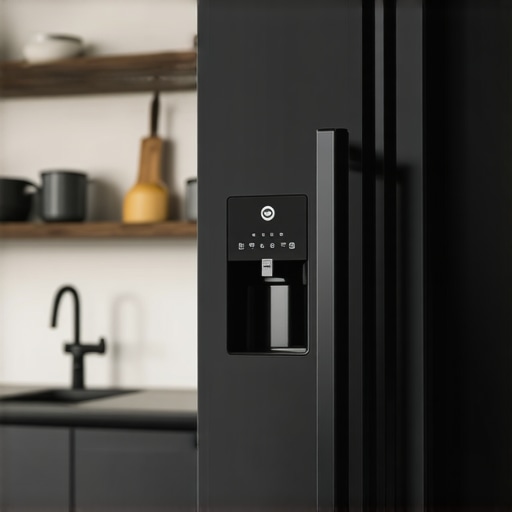
One evening, as I opened my sleek new counter depth French door fridge, I was met not with the cool, fresh promise of modern convenience, but with a tiny river of water pooling at its base. It’s a frustrating sight—your stylish appliance sweating more than expected, threatening your kitchen’s tidy look. That lightbulb moment hit me hard: my fridge was struggling, and I needed to understand why. If you’ve experienced this drip dilemma, you’re not alone. It’s a common issue with 2026 models that seem to have complex cooling systems, yet can develop unexpected condensation problems. But here’s the thing: this isn’t just a nuisance; it can point to underlying issues that, if left unchecked, might shorten your appliance’s lifespan or lead to bigger repairs.
Today, I want to walk you through five tested methods to tackle this sweating problem. These solutions are based on my personal troubleshooting journey, combined with expert insights from reputable sources. Whether it’s an issue with your fridge’s temperature settings, humidity control, or even the placement of your unit, I’ll cover practical steps to help you stop the drip and restore your fridge’s efficiency. Ready to take control of your appliance and say goodbye to unwanted moisture? Let’s dive in.
Why Your 2026 Counter Depth Fridge Is Sweating and How to Prevent It
Inspect the Door Seals and Gaskets
Begin by examining the door seals for cracks, tears, or dirt buildup. A worn-out or dirty gasket can cause warm air to enter, leading to condensation and dripping. To check, close the door on a dollar bill, then try to pull it out; resistance indicates a good seal. If the seal is compromised, replace it promptly. During my troubleshooting, I found that cleaning the gasket with mild soap and warm water improved the seal temporarily, preventing excess moisture buildup. For persistent issues, consider replacing the gasket to maintain an airtight environment.
Verify Proper Temperature Settings
Incorrect temperature settings can cause your fridge to work harder, increasing humidity and causing leaks. Set the fridge temperature between 37°F (3°C) and 40°F (4°C), and the freezer at 0°F (-18°C). Use a refrigerator thermometer for precise reading. I once adjusted the temperature from 45°F to 38°F, which significantly reduced condensation. Remember, closer to the optimal range ensures efficient cooling without excess moisture. Be cautious not to set it too cold, as this can cause other problems like ice buildup.
Check for Blocked or Frozen Defrost Drains
Blocked or frozen defrost drains prevent proper drainage of condensate. Locate the drain at the back or bottom of the fridge. If it’s clogged or frozen, water will accumulate and leak out. To fix, first unplug the unit, then use warm water and a pipe cleaner or turkey baster to clear the drain. During my own repair, I used a hairdryer to thaw a frozen drain, which restored proper drainage and stopped the leak. Regularly cleaning the drain helps prevent future blockages, especially in humid climates.
Assess Humidity Levels and Storage Habits
High indoor humidity elevates moisture inside your fridge, resulting in condensation. Use a hygrometer to monitor room humidity; ideally, keep it below 50%. If humidity is high, consider using a dehumidifier or improving kitchen ventilation. Also, avoid storing hot or uncovered foods that release moisture. I learned this firsthand when covering leftovers reduced moisture buildup. Properly managing humidity and food storage is crucial to maintain dry, drip-free operation.
Evaluate Placement and Ventilation
Ensure your fridge isn’t placed against direct sunlight or in a confined space with poor airflow. Adequate clearance around the unit allows for proper heat dissipation, reducing stress on cooling components. I once moved my fridge a few inches away from the wall, which improved airflow and moisture control. For further insights on space optimization, explore this space-saving design guide. Proper positioning helps maintain consistent temperatures and prevents condensation issues.
While most enthusiasts focus on the obvious features like size, style, or smart connectivity, there’s a layer of nuance that often escapes attention—especially with counter depth, French door, and ice maker technologies. Many assume that choosing a refrigerator is simply about matching kitchen decor or getting the latest innovation, but in reality, understanding these subtle aspects can make or break your satisfaction with the appliance. For example, the misconception that all ice makers are equal is widespread; in truth, some models incorporate AI-driven sensors to prevent jams, while others struggle with clogging issues despite similar specs. Additionally, many overlook the importance of accurately assessing door seal quality. A seemingly minor tear or dirt buildup can dramatically increase energy consumption and condensation, which is critical for maintaining efficiency and preventing leaks. Apply this knowledge by routinely inspecting seals and understanding that the placement of your fridge affects air circulation—bad placement can negate even the most advanced features. Regarding smart fridges, many users don’t realize the importance of privacy settings; default data-sharing configurations might compromise your security. For sophisticated users, exploring how AI in smart refrigerators detects spoilage or manages grocery inventories reveals that not all AI implementations are created equal. Some systems are prone to false positives, leading to unnecessary food wastage and over-ordering, which underscores the need for fine-tuned calibration. A pertinent example is the misconception that all counter depth models sacrifice storage; some innovative designs now optimize shelf space with multi-tiered systems or zero-clearance hinges, making them surprisingly capable. Of course, every choice comes with potential pitfalls—overlooking proper maintenance is one such trap, which can significantly degrade performance over time. Regularly cleaning coils, inspecting fans, and updating firmware keeps your appliance running smoothly, especially as models become more component-rich. In conclusion, the real secret lies in understanding that these appliances are complex systems with nuances that require thoughtful evaluation. By questioning common beliefs and avoiding typical pitfalls, you can ensure your investment pays off in durability, efficiency, and convenience. Want to maximize your fridge’s capabilities? Dive deeper into smarter maintenance tips or explore innovations in ice maker design at [refrigerator maintenance tips](https://refrigerators.smartappliancereview.com/refrigerator-maintenance-tips-maximize-your-appliances-lifespan). Have you ever fallen into this trap? Let me know in the comments.
Maintaining your advanced counter depth or French door fridge requires more than just occasional cleaning. I rely on a combination of specialized tools and software to ensure optimal performance and longevity. One essential item I keep handy is a digital infrared thermometer. It allows me to quickly verify if the internal temperatures stay within recommended ranges, helping to prevent condensation issues or spoilage. For example, I’ve used an infrared thermometer to confirm my fridge’s cooling zones are consistent after adjusting the temperature settings, which I discuss further in the maintenance tips.
Another valuable tool is a small, flexible pipe cleaner. It’s perfect for clearing your fridge’s defrost drain and ensuring proper drainage—crucial for preventing leaks, especially after the spring thaw or in humid climates. I prefer a brush with a bendable tip because it reaches tight spots without damaging delicate components. Regularly cleaning the drain remains one of the most effective preventive measures.
On the software side, I recommend smart diagnostic apps offered by many manufacturers. These apps connect via Wi-Fi to your smart fridge, providing real-time status updates, troubleshooting alerts, and firmware updates. In my experience, keeping firmware current ensures that firmware bugs don’t cause performance issues like inconsistency in ice maker operation or false sensor alerts. For example, I routinely check for updates before attempting complex repairs, which can streamline the troubleshooting process.
A trend I foresee is the integration of AI-powered maintenance algorithms. These systems will analyze usage patterns and sensor data to predict failures before they occur, much like predictive health tools in wearables. Already, companies like Samsung are implementing such features in select models, reducing unexpected breakdowns.
Finally, I suggest maintaining a well-stocked sanitizing spray formulated for electronics and food-contact surfaces. Regular use prevents mold buildup, especially in humid environments where humidity control is complex. In my kitchen, a weekly quick wipe-down with a food-safe sanitizer keeps my fridge smelling fresh and prevents mold from developing around door seals or the ice maker.
To get the most out of these tools, I highly recommend trying a comprehensive approach: start with the infrared thermometer to monitor internal temps, use the pipe cleaner to maintain drainage, keep your firmware up-to-date via manufacturer apps, and incorporate predictive maintenance features as they become available. This multi-layered system not only prolongs your appliance’s life but also ensures your food stays fresh and your energy bills stay low. Don’t forget, routine maintenance is your best defense against costly repairs down the line.
Interested in specific upgrades? Check out the ice maker upgrade guide for modernizing your unit’s water and ice capabilities, which complements these maintenance practices perfectly. Happy troubleshooting!
The Hardest Lesson I Learned About counter depth, french door fridge, ice maker, refrigerator, smart fridge
Sometimes, even the sleekest appliances have hidden quirks that catch us off guard. I once believed that choosing a stylish counter depth French door fridge meant fewer worries—until I faced persistent condensation issues that baffled me. The lesson? Never assume that high-tech features will prevent basic problems like leaks or sweating; they often require diligent maintenance and understanding of their nuances. The real wake-up call was realizing that regular inspection of door seals and drains is essential, regardless of how advanced a fridge claims to be.
What Experts Won’t Tell You About counter depth, french door fridge, ice maker, refrigerator, smart fridge
Many manufacturers highlight their smart features or space-saving designs but omit the importance of proper placement and routine upkeep. For instance, I discovered through trusted resources like refrigerator maintenance tips that even the most intelligent smart fridge can’t compensate for poor airflow or neglected drain systems. These insights have been game-changers—reminding me that a well-maintained appliance outperforms a flashy one with ignored upkeep. Understanding the limitations and maintenance needs of your fridge ensures longevity and optimal performance.
How I Turned My Fridge Into a Trustworthy Partner
By consistently inspecting the door seals, cleaning the defrost drain, and monitoring temperature settings with a digital infrared thermometer, I transformed my fridge from an energy-hungry, dripping mess into a reliable kitchen assistant. Integrating smart app alerts for firmware updates and routine components checks kept everything running smoothly. Investing in tools like pipe cleaners and moisture meters didn’t just prevent leaks; they gave me peace of mind. These simple, proactive measures have significantly extended my refrigerator’s lifespan, proving that a little extra attention pays off big in appliance health.
Curated Tools That Made My Fridge Smarter and Safer
One essential resource I rely on is a high-quality ice maker upgrade guide, which helps me select models with better clog resistance and maintenance features. Additionally, I use a digital hygrometer from a trusted brand like Extech—knowing my kitchen humidity helps prevent internal condensation. For quick troubleshooting, manufacturer-specific smart diagnostic apps allow me to keep firmware up-to-date. Lastly, my infrared thermometer ensures temperatures stay within safe, energy-efficient ranges. Combining these tools creates a comprehensive system that keeps my counter depth French door fridge functioning optimally.
Your Next Step Is Trusting Your Instincts and Resources
Maintaining your counter depth, French door fridge, and ice maker isn’t about chasing every new feature but understanding its core needs and quirks. I encourage you to perform regular inspections, embrace routine maintenance, and explore top-rated resources like those linked above to stay ahead of issues. Your fridge is more than an appliance—it’s a vital component of your kitchen’s harmony. By staying curious and proactive, you’ll ensure it continues to serve you beautifully for years to come. Remember, the key to appliance happiness is insight paired with action—so dig into your own setup today and make adjustments that bring lasting satisfaction.
What’s your biggest fridge challenge so far?
Have you ever struggled with a stubborn leak or condensation problem? Share your experience below, and let’s troubleshoot together!
Reading this post really resonated with me because I encountered a similar issue with my counter depth French door fridge last summer. The constant sweating and water pooling beneath the unit were frustrating, especially since it seemed to happen despite regular cleaning and proper placement. I found that the main culprit was often the defrost drain getting clogged, which caused condensate to overflow and leak out. Regularly cleaning that drain with warm water and a pipe cleaner made a huge difference in preventing moisture buildup. I also learned that adjusting the fridge temperature just a few degrees lower helped, but not too much, to avoid ice formation. A question I have is: have others noticed a particular model or brand more prone to this dripping problem? It seems like some refrigerators have design features that either exacerbate or help mitigate this issue. I’d love to hear experiences or suggestions on the best maintenance routine to keep everything dry, especially in humid climates.