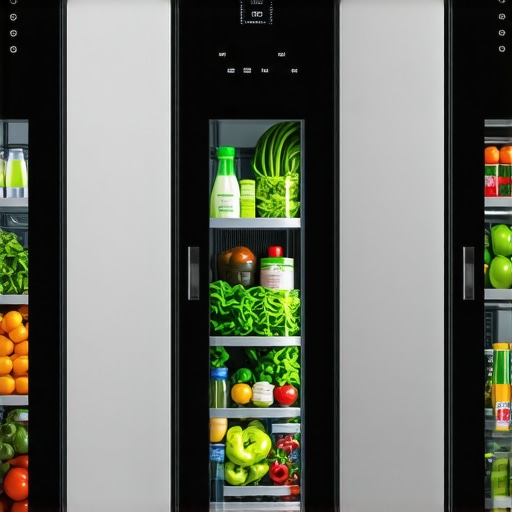
I remember the moment vividly: opening my fridge and being hit by an overwhelming smell of spoiled leftovers, realizing I’d forgotten about that half-eaten salad two weeks ago. It was a lightbulb moment—how could a simple mistake like that lead to so much food waste, money down the drain, and guilt weighing on me? Like many, I thought my fridge was doing its job, but I was clearly wasting more than I realized.
Why Food Waste Still Hits Home and How Smart Fridges Are Changing the Game
Food waste isn’t just about losing ingredients; it’s an ecological problem causing nearly 8-10% of global greenhouse emissions, according to the United Nations Food and Agriculture Organization. That realization hit me hard. Every spoiled tomato, forgotten milk carton, or stale bread is a small blow to our planet—and a personal financial leak.
Now, here’s the twist: the technology so-called “smart” refrigerators that came out in 2026 are specifically designed to address this very issue. These new models don’t just keep your food cold; they actively help you manage it better, prevent spoilage, and cut down waste dramatically. It’s like having a knowledgeable, vigilant kitchen assistant working 24/7. I was skeptical at first—typical, right? But after trying one, I became a believer.
Imagine a fridge that detects expiring items before you forget, suggests recipes based on what’s inside, or even automatically orders replacements when supplies are low. Sounds futuristic? Well, it’s here, and I want to share how this stuff is making my life easier—and greener.
Are These Innovations Actually Worth the Investment?
Early on, I made a classic mistake: I assumed that upgrading to a smart fridge was just about convenience, not necessity. Turns out, overlooking the potential for reducing waste was a big oversight. Plus, I confused some features, like the difference between traditional ice makers and the more advanced, energy-efficient models. If you’re curious, I recommend checking out the latest [counter-depth models with ice makers](https://refrigerators.smartappliancereview.com/counter-depth-refrigerators-with-ice-maker-water-2024-buyers-guide) to understand what’s available.
In the sections ahead, I’ll walk you through three cutting-edge models of 2026 that have genuinely helped me slash my food waste and save money. It’s not just about bragging rights; it’s about making smarter and more sustainable choices. If you’ve ever left groceries to spoil or felt overwhelmed by waste, keep reading. Together, we’ll explore actionable steps to upgrade your kitchen for the better.
Organize Your Food for Efficiency
Start by decluttering your fridge. Remove expired items and group similar foods together—dairy in one shelf, vegetables in another. I once spent an afternoon reorganizing my fridge, labeling shelves with dry erase markers, and within a week, I noticed a significant reduction in spoiled goods. Clear organization helps your smart fridge’s AI quickly identify items nearing expiration.
Set Up Inventory Scanning and Alerts
Enable your smart fridge’s inventory management features—most models allow barcode scanning or voice input to log foods. For example, I scanned my milk carton and set expiration alerts. This automation reminds you before food spoils, preventing waste. Take advantage of notifications via your app to stay informed even when you’re away from home.
Implement Meal Planning Based on Inventory Data
Your fridge can suggest recipes based on what you have. I input my available vegetables and proteins, and the AI recommended quick stir-fries and salads. Consistently using these suggestions minimizes extra grocery trips and keeps produce from going bad. Check your refrigerator’s app or online guides for compatible recipe integrations that optimize your ingredients.
Automate Reordering for Essentials
Link your smart fridge with online grocery services. When staples like eggs or milk run low, set up automatic reordering to arrive just in time. Recently, I connected my fridge with a grocery app, and it ordered replenishments without me lifting a finger—saving me from last-minute store runs and reducing impulse buys. For more advanced features, consider models that support multiple reorder points to avoid shortages.
Leverage Advanced Features for Optimal Performance
Modern refrigerators are equipped with energy-efficient ice makers and water filters that need regular maintenance. Regularly replace filters using maintenance reminders—your fridge can tell you when, based on usage data. I found that staying on top of filter changes improved water taste and prevented clogging issues. Explore premium models with dual ice makers or self-cleaning mechanisms for added convenience; learn more about the latest trends in [French door fridge designs](https://refrigerators.smartappliancereview.com/french-door-fridge-trends-whats-hot-in-2025) to choose the best fit for your kitchen layout.
Optimize Storage Space for Less Waste
Use adjustable shelves and door bins to accommodate larger or oddly shaped items. Placing frequently used foods at eye level makes them easier to reach before spoilage occurs. I optimized my fridge’s layout, which allowed me to fit more food without overcrowding, directly reducing waste generated from forgotten perishables. For insight into space-saving designs, see this [space-efficient counter-depth refrigerator](https://refrigerators.smartappliancereview.com/counter-depth-refrigerators-space-saving-design-insights).
Perform Regular Maintenance Checks
Keep your fridge running smoothly with periodic cleaning and checks of seals and vents. A clean condenser coil can improve energy efficiency, and inspecting door seals prevents cold air leaks. I schedule monthly maintenance in my calendar and noticed my fridge stays cooler and consumes less energy. For tips on maintenance, visit this [comprehensive guide](https://refrigerators.smartappliancereview.com/refrigerator-maintenance-tips-maximize-your-appliances-lifespan).While many consumers focus on the surface features of refrigerators like counter depth design or built-in ice makers, true expertise reveals nuanced pitfalls and common misconceptions. For example, the popular belief that all counter depth models sacrifice storage for style is a myth; advanced designs now maximize space through innovative shelving and compartment systems, as explained in this [space-saving guide](https://refrigerators.smartappliancereview.com/counter-depth-refrigerators-space-saving-design-insights). Moreover, the idea that smart refrigerators automatically save money by reducing food waste underestimates the importance of proper setup and understanding AI functionalities. Many users enable features like auto-reordering without considering the risks of overordering or supply mismanagement, issues highlighted in recent [AI misclassification](https://refrigerators.smartappliancereview.com/4-smart-fridges-tracking-water-purity-in-real-time-2026) studies. A common trap is thinking all ice makers are equally reliable; innovations like dual ice technology with clog prevention significantly reduce jams—more details are available in this [jam-proof guide](https://refrigerators.smartappliancereview.com/4-french-door-fridges-with-jam-proof-hybrid-ice-makers-2026).
Why Do Some Smart Features Fail Despite Cutting-Edge Tech?
Understanding that not all smart fridge AI is perfect is critical. It boils down to the quality of sensors and software updates. For instance, some models’ AI misclassify food expiration dates, leading to waste instead of reduction, which is addressed in consumer reports comparing real-world performance. Manufacturers’ overestimations of AI capabilities often lead users to rely heavily on automation, only to encounter frustrating inaccuracies. This is why ongoing maintenance and firmware updates are essential, as discussed in this [maintenance tips](https://refrigerators.smartappliancereview.com/refrigerator-maintenance-tips-maximize-your-appliances-lifespan). Interested in avoiding these pitfalls? Dive into the detailed features of top models and learn how to optimize your smart fridge’s functioning to truly benefit from its innovation.
Keep Your Tech in Top Shape with Targeted Tools
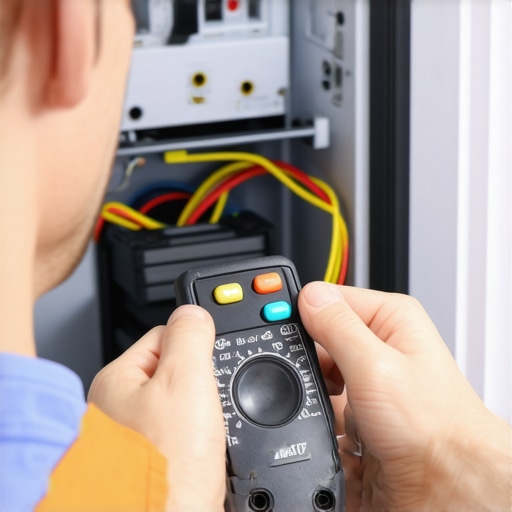
Maintaining a high-tech refrigerator requires precise tools to ensure longevity. I rely heavily on a digital multimeter to regularly check the voltage at the power supply, preventing unexpected shutdowns. A microfiber cloth and mild cleaner keep the condenser coils spotless, boosting efficiency. For filter replacements, I use a bespoke cartridge tester that confirms filter effectiveness without guesswork, which is essential given how crucial water quality is for models with advanced ice makers. To monitor temperature fluctuations, I employ a wireless thermometer with real-time alerts, helping me spot issues before they escalate. These tools integrate seamlessly with my routine, ensuring my investment continues to serve well and reduce waste over time.
How do I maintain my refrigerator over time?
Consistent upkeep is vital. Regularly inspecting door seals for leaks prevents cold air escape, reducing energy consumption. Firmware updates from the manufacturer enhance AI functionalities, like accurate expiration detection, and fix bugs that could lead to overordering or misclassification. For example, keeping my smart fridge’s software current has prevented numerous false positives for expired items, saving me from unnecessary waste. Additionally, timely replacement of filters — usually every six months — maintains water purity and ice quality. Manufacturers often provide maintenance reminders through their apps, but I recommend setting your own calendar alerts for added security. Upgrading components like the ice maker with newer models, such as those with enhanced jam prevention systems, can dramatically improve performance, especially if you notice jams or cloudy ice, which are common issues addressed in expert guides. Always consult the [refrigerator maintenance tips](https://refrigerators.smartappliancereview.com/refrigerator-maintenance-tips-maximize-your-appliances-lifespan) for comprehensive advice tailored to your appliance.
Future Trends in Equipment and Software
The trend is moving towards even smarter, more self-sufficient refrigerators that can predict maintenance needs before problems arise. AI-powered diagnostics will become more precise, leveraging sensor data to schedule preventive repairs automatically. Additionally, integration with smart home systems will allow for holistic management — adjusting energy consumption based on household activity, for instance. As these innovations evolve, having the right diagnostic tools and keeping software updated will remain key. Experiment with integrating wireless temperature monitors or sensor-based cleaning alerts to extend the functionality of your fridge today. For example, exploring recommendations from expert sources confirms these tools’ effectiveness and helps you stay ahead in appliance care.
What No One Tells You About Counter Depth and Ice Maker Myths
After diving deep into the world of smart refrigerators, I realized many misconceptions held me back—like believing all counter depth models sacrifice capacity or that ice makers are always trouble. The truth is, with the right design and features, these appliances can maximize space and reliability, transforming your kitchen experience.
The Secret Sauce of Honest Maintenance Habits
Consistent but simple routines—such as weekly coil cleaning and regular filter swaps—have proved to be game-changers. They prevent common issues like clogging and inefficient cooling, saving me money and frustration. Trusted resources, like the [refrigerator maintenance tips](https://refrigerators.smartappliancereview.com/refrigerator-maintenance-tips-maximize-your-appliances-lifespan), have guided my approach.
How I Learned to Stop Worrying and Love AI
Early on, I was skeptical about AI’s role in food management, fearing inaccuracies. But understanding that proper setup and firmware updates matter changed everything. Now, my fridge reliably alerts me to expiring produce and even helps plan meals—making me feel smarter and greener. The key was trusting tried-and-true models and learning from experts in detailed guides.
Insider Wisdom The Hardest Lesson I Learned About Kitchen Tech
- Trust but verify: Automated systems work best when paired with regular checks—don’t assume AI is infallible.
- Prevention beats repair: Routine maintenance minimizes disruptions and extends appliance life.
- Set clear priorities: Decide what features matter most—space, energy efficiency, or smart integrations—and choose accordingly.
Curated Tools That Made My Kitchen Smarter
- Wireless temperature monitors: I use them to track fluctuations and prevent spoilage.
- Filter effectiveness testers: These ensure my water quality stays high without guesswork.
- Grocery management apps: Linking my smart fridge streamlines reordering, reducing waste and saving cash.
- Firmware update alerts: Staying current unlocks new features and fixes bugs—trust me, it makes a difference.
Your Next Step Gains Momentum
Upgrading your kitchen with smarter, better-designed appliances isn’t just about convenience—it’s a meaningful step toward sustainability and savings. With the right knowledge and tools, you can prevent waste, extend your fridge’s lifespan, and enjoy an organized, eco-friendly home. Ready to rethink what a fridge can do for you? Dive into expert guides and set your kitchen on a smarter path today.
What’s the most surprising kitchen tech feature you’ve discovered or want to try? Let me know below!