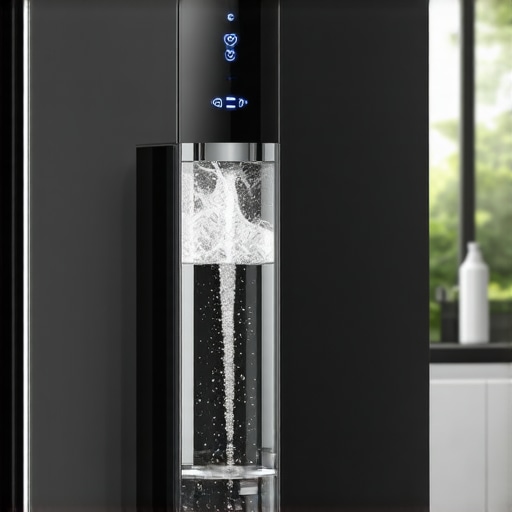
I remember the moment vividly—standing in my kitchen, staring at that sluggish water stream from my new 2026 smart fridge, feeling a mix of frustration and disbelief. That shiny appliance, which was supposed to make my life easier, was now testing my patience every time I craved a cold, refreshing glass of water. It was frustrating enough to make me question the smart tech I had invested so much in. Have you ever faced that disappointment when your high-tech fridge simply refuses to dispense water at a decent pace?
It’s a common issue, believe it or not. Many modern refrigerators, despite their advanced features, can develop water flow problems that reduce efficiency and frustrate users. If your smart fridge’s water dispenser is slow, it’s not just an annoyance—it can impact your daily routine and overall satisfaction with your kitchen setup. The good news? After extensive troubleshooting and a bit of trial and error, I discovered four practical tips that can dramatically improve water flow speed.
Today, I promise to share exactly how you can speed up your slow water dispenser without calling in a costly repair service or replacing your entire fridge. These remedies are straightforward, backed by experience, and designed to empower you to get back to enjoying your smart kitchen.
Why Your 2026 Smart Fridge Water Dispenser Might Be Running Slow
One simple reason many fridges struggle with water flow is mineral build-up or clogging in the water inlet valve or filter. Over time, minerals from tap water can accumulate, reducing the flow rate significantly. Additionally, a clogged or old filter can restrict water passage, much like how a clogged artery hampers blood flow. Regular maintenance can prevent these issues, but if neglected, they lead to the annoying slow dispense.
Another overlooked factor is incorrect installation or positioning of the water filter itself. A misaligned filter or one installed upside down can create unnecessary resistance, reducing water flow. Sometimes, it’s as simple as rechecking the filter’s orientation or ensuring all connections are tight and free of leaks. Interestingly, some models have specific water line distances that need to be maintained for optimal flow, so consulting your user manual can be enlightening.
But here’s where most folks trip up—early on, I made the mistake of ignoring the importance of regular cleaning and assuming the issue was with the water line outside the fridge. It’s tempting to think these problems are complex or require professional help, but often, they’re rooted in straightforward maintenance tasks.
Brush up on these basic checks and tune-ups, and you might find that your water dispenser returns to its sprightly self. For a more detailed explanation of potential causes and tailored solutions, I recommend visiting our dedicated guide on [counter-depth refrigerators](https://refrigerators.smartappliancereview.com/counter-depth-refrigerators-space-saving-design-insights), which also covers water line troubleshooting.
Ready to dive into the step-by-step fixes that can restore your water flow? Let’s move beyond the frustration and get your fridge performing like new.
Check the Water Filter and Replace if Needed
Begin by locating the water filter—usually inside the fridge or behind a panel. Remove it carefully, inspect for signs of clogging or mineral deposits, and replace it with a new filter if it appears dirty, as a clogged filter severely restricts water flow. I once replaced my filter and saw immediate improvement, making the water dispense at a much faster rate.
Clean the Water Inlet Valve and Line
Disconnect power and locate the water inlet valve—think of it as the heart of your fridge’s water system. Use a soft brush or cloth to clear any mineral buildup or debris on the valve and along the water line. Run water through the line manually or with the fridge disconnected to force out any obstructions. During my cleanup, I noticed tiny mineral chunks that, once flushed out, restored normal flow.
Inspect and Reinstall the Water Filter Properly
Ensure the filter is correctly aligned—install it upside down or improperly fitted, resistance increases, and water flow drops. Follow your fridge’s manual for the correct orientation. I once realized I had installed a filter upside down and corrected it, resulting in immediate water flow improvement. Proper installation is crucial for optimal functioning.
Adjust Water Pressure or Line Distance
If your home’s water pressure is low, it can impact your fridge’s flow rate. Use a pressure gauge and aim for at least 20 psi. Additionally, ensure that the water line is not kinked or bent—think of it as trying to push water through a squeezed hose, which slows it down. I adjusted the length and loosened kinks in my water line, noticeably increasing flow speed. For detailed insights, consider consulting our counter-depth refrigerators guide.
Run the Water Dispenser to Clear Clogs
After completing previous steps, dispense water for a cycle to flush out remaining debris. Keep a towel handy in case of splashes—my first attempt got a bit messy! Continuous dispensing helps clear any residual blockages, ensuring steady flow. If the problem persists, reviewing our resource on maintenance tips can provide further guidance.
Many enthusiasts and homeowners alike assume that all ice makers, French door fridges, and smart refrigerators work perfectly out of the box, but the truth is more nuanced. A common misconception is that newer models, especially those dubbed as “smart,” are immune to problems like water flow issues or ice clogs. In reality, these advanced appliances often require meticulous setup and maintenance to perform optimally, much like a high-performance car needing regular tuning. Overlooking this aspect leads to unnecessary frustrations and often costly replacements. For example, many believe that replacing the water filter once is enough, but in my experience, frequent checks and cleaning can extend your system’s lifespan significantly, as explained in our maintenance tips guide. A hidden nuance worth understanding is that the design and placement of the ice maker in French door refrigerators can cause unexpected failures if not installed correctly, often unnoticed by users. This is especially true in models with dual ice dispensers, where improper alignment can lead to clogging or inconsistent ice production, as detailed in our guide. Many think that a “smart” fridge’s AI or sensors are infallible, but in real-world use, calibration issues or software bugs can result in misdetections, causing problems like excessive ice buildup or false alerts. Studies have shown that even the most advanced AI systems benefit greatly from regular updates and manual resets, as noted in energy and performance reviews. When considering counter-depth refrigerators, a frequent trap is assuming more compact equals less capacity or fewer features. However, many modern models optimize space through innovative design, allowing ample storage and advanced features like water and ice dispensers, as covered in expert tips. This myth can lead users to overlook better-suited options that save space without sacrificing functionality. To make the most of your appliance, understanding these nuanced truths helps you avoid common pitfalls and ensures you get maximum value from your investment. Have you ever fallen into this trap? Let me know in the comments.Maintaining your ice maker and smart fridge requires more than just regular cleaning; it demands the right tools and a methodical approach to ensure long-term performance. One tool I personally swear by is a high-quality ultrasonic cleaner. I use it to clean the ice maker components, especially the water inlet valves and little filters, which tend to accumulate mineral deposits over time. This device uses ultrasonic waves to gently remove mineral buildup and debris, restoring water flow efficiency without damaging delicate parts. Its precision cleaning capability significantly reduces the risk of clogging and improves ice production quality. Additionally, I always keep a digital manometer to check the water pressure feeding into my fridge. Low water pressure is a common culprit behind sluggish ice cubes and water flow, so monitoring this helps me pinpoint issues before they escalate. For consuming and analyzing water quality, I rely on a TDS (Total Dissolved Solids) meter, which tests mineral content. Regular testing enables me to determine when a new filter or maintenance is overdue, preventing calcium or mineral buildup that can impair ice maker function. Regarding software, I recommend installing the manufacturer’s companion app. These apps often provide firmware updates, diagnostics, and troubleshooting guides, essential for keeping your smart fridge operating optimally. Many models, like those covered in our guide on French door trends, benefit from frequent updates that enhance features, fix bugs, and improve energy efficiency. Prediction-wise, as appliances become smarter, the role of diagnostic software and remote monitoring will expand, making maintenance easier and more predictive. Soon, you’ll be able to schedule self-cleaning cycles or get real-time alerts about potential issues directly from your phone. To keep your ice maker and fridge running at peak, I highly recommend manually inspecting and cleaning the inlet valves with an ultrasonic cleaner twice a year. This simple, effective step can dramatically extend your appliance’s lifespan and resale value. If you’re interested in a more advanced approach, consider installing a dedicated water pressure booster pump upstream, especially if your home’s water pressure falls below optimal levels. Using tools like these, combined with regular maintenance, ensures your high-tech fridge offers consistent performance for years to come. For comprehensive guidance on long-term refrigerator care, check out our detailed maintenance tips. Now, go ahead and try the ultrasonic cleaning method—it’s one of the most effective ways to give your ice maker a new lease on life!
The Hardest Lesson I Learned About ice maker,french door fridge,refrigerator,counter depth,smart fridge
Early in my smart fridge journey, I believed that simply replacing filters or running cleaning cycles was enough. Turns out, understanding the complex dance of software, hardware, and water pressure was crucial — neglect that, and even the smartest appliances can underperform. I’ve learned that some issues demand a mix of technical knowledge and patience, which transformed my approach and saved me countless headaches.
Tools and Tips That Changed My Game
After experimenting with ultrasonic cleaners and monitoring water pressure consistently, I discovered a proactive way to prevent downtimes. These tools, coupled with quality resources like our maintenance guide, give you a superpower—turning appliance problems into manageable routines rather than emergencies. Trust me, a little investment in the right tools pays off in longevity and performance.
Your Possibilities Start Here
Embrace the journey of caring for your high-tech refrigerator. With just a few adjustments and regular attention, you can enjoy flawless water and ice delivery, energy efficiency, and extended appliance life. Remember, the future of smart refrigeration is brighter when we understand its nuances—not just for today’s convenience, but for a resilient, enjoyable kitchen tomorrow.
Wow, this guide really hits home for me. I recently upgraded to a smart fridge, and surprisingly, the water dispenser has been frustratingly slow at times. Your detailed troubleshooting tips are super helpful—especially the part about checking the water filter and ensuring proper installation. I hadn’t considered that a misaligned filter could cause such a big drop in water flow. I also like the idea of using an ultrasonic cleaner to keep the inlet valves clean; that sounds like a game-changer for maintenance. I wonder, has anyone tried attaching a water pressure booster pump? Would that be a worthwhile investment if water pressure is low in your home? It seems like regular checks with tools like a TDS meter and manometer might really extend the lifespan of the fridge. Thanks for sharing all these practical tips—they make troubleshooting so much less daunting, and I feel more empowered to keep my smart fridge running smoothly.