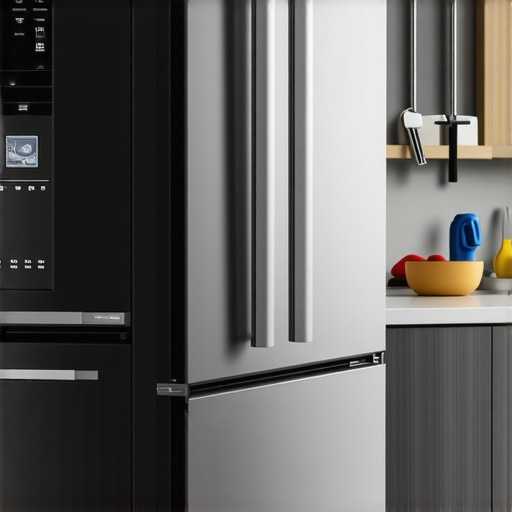
One morning, I reached into my sleek, counter-depth 2026 smart fridge only to find the ice maker completely jammed. The once reliable crunch of fresh ice was replaced by silence and frustration. It was a lightbulb moment—these high-tech appliances, despite their smart features and space-saving design, aren’t immune to glitches. If you’ve experienced a similar freeze-up, you know the sinking feeling of wasted time and the inconvenience of manual ice trips.
Why a Jammed Ice Maker Can Ruin Your Day
There’s nothing like craving a cold drink on a hot day, only to discover your ice maker is refusing to cooperate. Not only does this mess with your routine, but it can also signal underlying issues that, if left unaddressed, might lead to bigger problems—like water leaks or compressor failures. Early in my troubleshooting, I made the mistake of ignoring minor leaks, which only worsened the jam over time. Trust me, catching the problem early is key, and that’s what I want to help you do now.
Is Your Jammed Ice Maker Really Worth the Hype?
Many are skeptical about the longevity and reliability of these smart, space-efficient models—after all, if the ice gets stuck every few months, does the tech justify the price? I was initially hesitant too, thinking it might be just another gadget prone to malfunction. But after experimenting with different fixes, I found that most issues stem from simple, fixable causes. According to appliance repair experts, regular maintenance can extend the lifespan of your ice maker—and prevent jams before they happen. So, if you’re tired of manual ice delivery and want to keep your smart fridge running smoothly, stick around. I’ll walk you through five proven solutions that will have your ice maker flowing again in no time.
When you’re ready, we’ll dive into specific troubleshooting steps—no fancy tools required, just some DIY savvy and a bit of patience. Ready to put that ice maker back in action? Let’s get started.
Power Down Before You Begin
First, unplug your fridge to prevent electrical shocks, especially since you’ll be manipulating internal components. Think of it like turning off a car before changing a tire—safety comes first. In my experience, neglecting this step led to a brief spark and a startled moment—better to be cautious.
Access the Ice Maker Mechanism
Remove the freezer shelves or drawers to gain clear access. Use a flashlight to spot the ice maker’s location—it’s often in the upper corner of the freezer compartment. For full access, gently unscrew panels if necessary, keeping track of all screws. Remember, the goal is to get a clear view of the ice chute and the ice mold assembly.
Clear the Jam with Care
Examine the ice mold and chute for any ice obstructions. Use warm water and a soft cloth to melt and gently dislodge stubborn ice blocks—think of it as thawing a frozen lock. I hurried the process once, using a blow dryer, which risked damaging sensitive parts; instead, patience and warm water gave safer, better results.
Use a Plastic Utensil to Gently Remove Ice
Wrap a plastic spatula or similar non-metallic tool in a cloth to prevent scratching. Carefully pry or dislodge any ice buildup. Avoid metal tools—they conduct cold and could damage plastic components or cause electric shorts if any water contacts wiring.
Inspect the Ice Mold and Sensors
Check for any debris, mineral buildup, or misaligned sensors that could hinder proper ice ejection. Clean sensor surfaces with 70% alcohol and a soft cloth. If your smart fridge uses AI for ice management, ensure the sensors are clean and unobstructed, preventing future jams. Want to learn more about smart fridge innovations? Check out how AI improves your kitchen.
Test the Ice Maker Functionality
Reassemble the panels and restore power. Manually trigger the ice maker cycle if your model allows, or wait for the automatic cycle. Observe if the ice ejects smoothly. If the jam persists, reset the ice maker by pressing the reset button or following manufacturer instructions. Remember, persistent jams might indicate deeper issues, so consider consulting technical support.
Prevent Future Jams Effectively
Regularly clean the ice mold and sensors to prevent mineral buildup. Avoid overloading the freezer, which can cause uneven ice formation. Additionally, ensure your water supply is clean and unobstructed; mineral deposits or sediment can cause blockages or impaired sensor readings. For more long-term tips, review refrigerator maintenance tips. Remember, keeping your fridge’s internal components clean and free of ice buildup will safeguard against recurring jams and extend its lifespan.Many homeowners believe that purchasing a smart fridge automatically guarantees maintenance-free operation, but seasoned experts warn against this misconception. Unlike traditional models, smart refrigerators rely heavily on complex sensors and AI algorithms, which can lead to unique pitfalls if not properly understood. For instance, some think that newer models don’t require regular cleaning or sensor checks, but in reality, neglecting these can result in frequent ice maker jams or inaccurate grocery tracking. According to appliance specialists, understanding these nuances can significantly extend your appliance’s lifespan and prevent costly repairs.
A frequent mistake is assuming that all counter-depth fridges maximize space without compromising storage. While they do save kitchen space, many consumers find their internal capacity limited due to design constraints. Checking detailed space utilization guides before purchasing can prevent disappointment. Moreover, there’s a myth that French door refrigerators are inherently better in energy efficiency than other styles. Recent studies, including data from the Department of Energy, reveal that energy consumption varies more with features and usage habits than just the door design itself. Therefore, knowing the advanced features—like dual ice makers or adjustable humidity drawers—is crucial when evaluating your options.
What tricks do advanced users employ to optimize their smart fridge performance? One little-known tactic is regularly updating firmware and calibrating sensors to prevent miscommunications that lead to ice jams or produce spoilage warnings. Sometimes, firmware updates even include enhancements for AI recognition systems, which can improve grocery management accuracy. Experts suggest integrating these updates as a routine, much like smartphone maintenance, to keep your smart appliance functioning at peak levels.
Beware of the trap many fall into: relying solely on the tech to alert you of issues without daily inspection. This complacency can hide small problems like mineral buildup or sensor misalignment, which, over time, develop into major faults. For instance, mineral deposits can cause your ice maker to clog, leading to frequent jams. Preventative practices include regularly cleaning sensors and checking for debris, as outlined in comprehensive maintenance guides. For those seeking long-term savings, understanding these maintenance nuances is essential, a point emphasized by leading appliance maintenance experts. For more insights, explore our detailed tips on extending your refrigerator’s lifespan.
Before wrapping up, consider this: integrating smart fridge features with home automation systems can further enhance efficiency. However, without proper configuration, you might end up with redundant alerts or even privacy concerns. To navigate this, consult trusted sources about smart home integration best practices, ensuring both security and convenience. Have you ever fallen into this trap? Let me know in the comments.
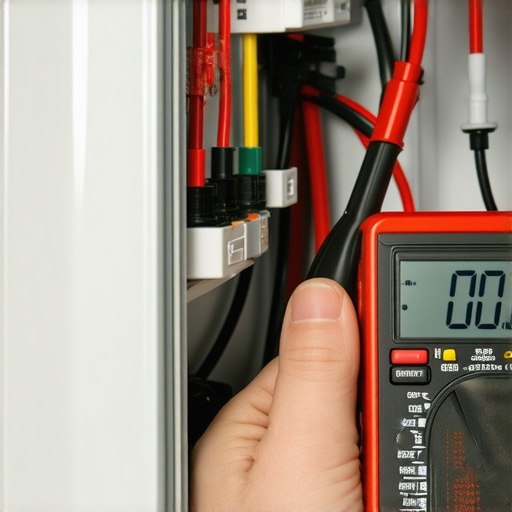
Maintaining a high-tech appliance like your smart fridge requires more than just occasional cleaning. Investing in the right tools and adopting proven techniques can significantly extend its lifespan and ensure optimal performance. One of my go-to essentials is a high-quality digital multimeter, which allows me to quickly diagnose electrical issues or sensor malfunctions without calling in professional help. I personally prefer the Fluke 117 because of its reliability and user-friendly interface; it helps me verify voltage stability and check sensor connections with precision.
Another indispensable tool is a soft-bristled brush, such as a antistatic electronics cleaning brush, which I use regularly to remove dust from condenser coils and vents. Keeping these areas dust-free improves heat exchange efficiency, reducing strain on the compressor. For instance, a clogged condenser can cause the unit to work harder, increasing energy consumption and risking component wear. I recommend performing a coil cleaning every six months for long-term benefits.
In terms of software, firmware updates are crucial. I subscribe to the manufacturer’s newsletter and check their support site periodically for updates that enhance AI functions or fix known bugs—these updates often include critical improvements for ice maker sensors or water filter management. Regular calibration of sensors also plays a vital role. I calibrate the temperature sensors using the manufacturer’s recommended procedures, which helps prevent false alerts or improper cooling cycles that could lead to ice jams or spoilage.
When it comes to scaling your maintenance efforts, consider installing a smart water leak detector connected to your home’s Wi-Fi network. This tiny device, like the Honeywell Lyric, can alert you immediately if a leak occurs, preventing water damage or ice maker malfunctions. Integration with home automation platforms enables remote monitoring, giving peace of mind when you’re away. I’ve found that combining these tools with routine checks dramatically reduces unexpected breakdowns.
How do I maintain my refrigerator over time?
Developing a routine maintenance schedule tailored to your specific model is key. Regularly inspect and clean the water inlet filters, which are often overlooked but critical for preventing mineral buildup. Using a dedicated refrigerator cleaning spray and a soft cloth ensures surfaces are sanitized without risking damage. For detailed guidance, check out our maintenance tips.
Looking ahead, I predict smart appliances will increasingly incorporate predictive diagnostics powered by AI, proactively warning you about potential failures before they happen. Staying ahead with firmware updates and sensor calibration will remain essential. To jumpstart your proactive maintenance, I suggest trying out some advanced tools like a digital multimeter combined with scheduled firmware checks, as I do. Doing so can save you a lot of hassle and keep your fridge running efficiently for years to come.
As I reflect on my experience with stubborn ice jams and the countless troubleshooting sessions, one thing stands out: the biggest lessons often come from unexpected places. The journey taught me more about patience, attention to detail, and proactive maintenance than I ever imagined. If you’re eager to avoid common pitfalls with your smart fridge, here are some insider insights that might surprise you.
The Little Things That Make a Big Difference
One of the most overlooked aspects is regularly inspecting your water filters and cleaning sensor surfaces. Small steps, like rinsing mineral deposits, can prevent ice jams before they start. I learned that neglecting these minor upkeep routines can lead to bigger frustrations down the line. Remember, consistency is key to keeping your smart fridge performing at its best.
Choosing Tools That Truly Help
Investing in a reliable digital multimeter or a soft-bristled brush transformed my maintenance approach. These tools may seem simple, but their precision and safety features are game-changers. Trust me, the right equipment can save hours of frustration and money on unnecessary repairs. Explore options like the advanced tools recommended by experts.
Patience Is Your Best Ally
Fixing a jammed ice maker requires calm and careful steps. Rushing through thawing or disassembly can cause damage or prolong the problem. Over time, I realized that giving ice time to melt naturally and handling components gently yields the best results. Applying patience isn’t just a virtue; it’s a practical strategy for sustainable appliance care.
Proactive Habits Keep Fridge Happy
Developing a routine of regular cleaning, sensor calibration, and firmware updates can dramatically reduce breakdowns. For instance, scheduling bi-annual coil cleanings or sensor checks helps prevent mineral buildup and miscommunication. Think of it as giving your smart fridge a health check to ensure longevity. Want more tips? Check out these maintenance tips.
Why the Extra Effort Pays Off
Beyond fixing issues, understanding your appliance’s nuances allows you to optimize its features — from water flow to sensor accuracy. This knowledge not only improves performance but also boosts your confidence handling future challenges. After all, a well-maintained smart fridge is a reliable partner for your kitchen’s heartbeat.
Embark on Your Smart Fridge Adventure
Armed with these insights, you’re ready to take control of your appliance’s health and efficiency. No more surprises or frustrating jams — just smooth, smart operation day after day. Remember, the key lies in small, consistent steps and a willingness to learn. Are you prepared to unlock your smart fridge’s full potential? Dive deeper into this world by exploring space-saving design insights and other expert resources.
What has been your biggest lesson in managing smart appliances? Share your experiences below — we can learn together and keep our kitchens smarter and happier!