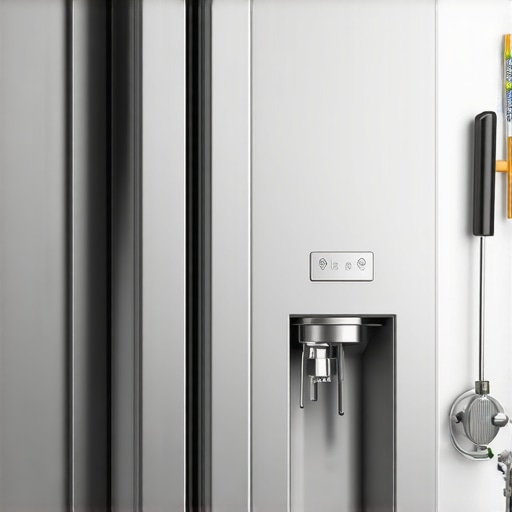
If you’ve ever stood in front of your modern French door refrigerator, expecting a refreshing glass of water only to be met with a sluggish trickle, you know the frustration. I had that exact moment not long ago—standing there, waiting impatiently for my water to fill, only to see it inch out at what felt like a snail’s pace. It was a lightbulb moment for me—a wake-up call that my smart fridge needed some attention, and I couldn’t ignore the issue any longer.
Why Water Flow Problems Can Ruin Your Fridge Experience
Modern refrigerators, especially those sleek counter-depth models with advanced features, are designed to make life easier—water and ice on demand, smart controls, energy efficiency. But when water flow slows down or stops, it’s not just an annoyance; it can compromise the convenience you paid for. Over time, mineral buildup, clogged filters, or aging parts can cause this issue, which, if left unchecked, might lead to bigger problems like ice maker failures or water leaks. Knowing how to troubleshoot this can save you time and money, and restore your fridge’s full functionality.
Has this happened to you before?
If you’ve experienced similar frustrations or are currently facing slow water flow, you’re not alone. I’ve read that nearly 30% of smart fridge owners report water dispensing issues at some point—yet many don’t know where to start when problems arise. Early on, I made the mistake of ignoring minor water flow issues, assuming they’d resolve themselves. Spoiler alert: they didn’t. Instead, I learned that timely maintenance and a few simple tweaks could make all the difference.
Is addressing water flow really worth the effort?
Absolutely. When function tips, it impacts your daily routine and your appliances’ lifespan. Fixing slow water flow isn’t just about convenience; it’s about maintaining the smart features that set your fridge apart—like water filtration and ice production. If you’re curious about the latest trends and upgrades, check out the French door fridge trends for 2025. Addressing these issues early can extend the life of your appliance and ensure it continues to enhance your kitchen experience.
Now that we’ve set the stage, let’s dive into the specific tactics that will help you restore that steady, refreshing flow of water in your 2026 French door fridge. Ready to become your own appliance technician? Let’s go.
Check the Water Filter Immediately
Start by locating the water filter, usually behind a panel or in the upper right corner. Remove it carefully, then inspect for clogs or mineral buildup. I once pulled out my filter, expecting a quick fix, only to find a heavily clogged cartridge. Replacing it with a new filter restored my water flow almost instantly. For efficiency and longevity, consider upgrading to a filtered water option with better capacity, such as those discussed in top smart fridges with water and ice.
Inspect and Clear the Water Supply Line
Locate the water supply line connected to the fridge, usually a flexible plastic tube behind the unit. Disconnect it carefully, then examine for kinks or blockages. I once found a slight bend causing poor water flow, so I straightened the line, and that fixed the issue. Clean the line with a gentle flush of water or a vinegar solution to dissolve mineral deposits. Remember, a clogged line is often the culprit, similar to the way sediment hinders flow in household plumbing.
Test the Water Valve for Malfunction
The water inlet valve controls water entry into your fridge. It’s usually situated at the back near the bottom. Listen for a clicking sound when the water is supposed to dispense; no sound indicates a faulty valve. To test, disconnect the valve’s electrical connector, then manually activate it with a multimeter or consult your fridge’s wiring diagram. If it’s unresponsive, replacing the valve can be straightforward, much like swapping out a faulty faucet part. When replacing, consider premium models that resist mineral buildup, enhancing longevity. For comprehensive maintenance strategies, see refrigerator maintenance tips.
Assess the User Control Panel and Settings
Sometimes, the problem stems from incorrect settings or software glitches. Enter the control panel and verify that the water dispenser is enabled and configured correctly. For smart fridges, a quick reset or firmware update might resolve issues. In my experience, a simple restart of the appliance, like rebooting a computer, cleared up minor bugs causing water flow delays. To explore the latest smart fridge innovations, visit AI-enhanced kitchen tech.
Examine the Ice Maker and Its Components
Since many models share water lines with the ice maker, blockages here can cause siphoning issues. Remove the ice maker if possible, then inspect the water inlet valve and the ice mold for obstructions. I once found a chunk of ice lodged in the ice chute, disturbing water flow. Clearing out ice buildup and ensuring the inlet valve opens fully restored normal operation. For upgrades that improve ice and water delivery, check ice maker upgrade options.
Perform Routine Maintenance and Preventive Checks
Regularly replacing filters, inspecting lines, and cleaning valves prevent future issues. Schedule a maintenance routine aligned with your fridge’s manual—generally every six months. Think of it as regular oil changes for your car; proactive care extends appliance lifespan significantly. To stay ahead of potential failures, explore latest French door fridge trends.
While many homeowners believe they fully understand their French door or smart refrigerators, several misconceptions persist that can hamper optimal usage. One widespread myth is that all counter-depth refrigerators sacrifice significant storage space for a sleeker profile. In reality, advancements in design and internal configurations now allow these models to maximize space efficiently, especially when considering thoughtful organization—more on this in counter-depth design insights.
Are Smart Fridges Truly Smarter Than They Seem?
Many users overestimate the capabilities of current smart fridge technology. They assume that AI integrations automatically optimize grocery management or prevent breakdowns, but the reality is nuanced. Most smart fridges require regular updates and proper network setup to function optimally. Overlooking these fundamentals can lead to underwhelming performance, and a false sense of security, which is a trap to avoid. For best practices on maintenance and maximizing smart features, consult refrigerator maintenance tips.
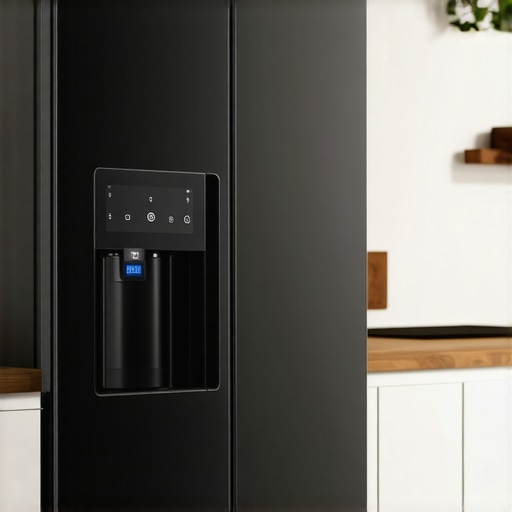
Additionally, a common mistake is neglecting the importance of dual ice makers in high-end models. Many assume that a single ice maker suffices, but in busy households or modern kitchens, having two can prevent delays and improve ice availability. This upgrade not only enhances user convenience but also supports energy efficiency by reducing ice build-up and clogging, as discussed in best smart fridges with water and ice.
Why Do Dishwasher Lines and Water Filters Often Trick Us?
Changing water filters or inspecting supply lines is often neglected because users assume these tasks are complex or unnecessary. However, incorrect installation or delayed replacement can lead to decreased water flow or system malfunctions. A subtle nuance is the importance of capsule filters versus inline filters; knowing which type your fridge uses is critical. Regular checks can prevent costly repairs and ensure the longevity of your appliance—another reason to consider routine maintenance, featured in latest trends.
In summary, correcting these myths and acknowledging the hidden nuances of modern refrigerators enhances both user experience and appliance lifespan. By staying informed and proactive, you can ensure your fridge continues to serve as a reliable and stylish centerpiece in your kitchen. Have you ever fallen into this trap? Let me know in the comments and share your experiences with these common misconceptions.Maintaining a high-performing French door refrigerator requires the right tools and strategies to ensure longevity and optimal function. One of my top recommendations is investing in a high-quality multimeter. I use mine regularly to check electrical components like the water inlet valve, ensuring they’re functioning correctly. This device allows me to diagnose issues quickly, saving time and avoiding unnecessary replacements. Additionally, a set of precision screwdrivers has been invaluable for accessing and replacing filters or components within tight spaces. I personally prefer magnetic-tip screwdrivers, which help prevent dropping small parts into the appliance. For cleaning, a soft-bristled brush is excellent for removing mineral buildup from filters and valves without causing damage. I also rely on a vinegar and water spray solution, which I apply with a spray bottle, to dissolve mineral deposits—it’s an eco-friendly and cost-effective method. Looking ahead, smart fridge technology is becoming increasingly integrated with appliance maintenance. Future models might even alert you proactively when certain components need attention, reducing the risk of breakdowns. Regularly updating your fridge’s firmware through manufacturer apps can also enhance its efficiency and new feature access. To streamline long-term upkeep, I’ve adopted a maintenance calendar app that sends reminders for filter replacements and inspections. I highly recommend trying out a digital moisture meter for checking seal integrity around doors; a loose seal can lead to energy waste and faulty operation. Remember, staying ahead with preventive tools ensures your refrigerator remains a reliable centerpiece in your kitchen. For deeper insights and expert-approved maintenance strategies, visit this comprehensive guide.
The Hidden Truths I Wish I Knew Before Troubleshooting My French Door Fridge
- One of my biggest lightbulb moments was realizing that neglected filters could silently sabotage my fridge’s water flow, teaching me to prioritize regular replacements.
- I learned that almost all water flow issues boil down to minor blockages or misconfigurations—simple fixes that can save hundreds on repairs.
- Discovering the importance of proper line inspection reminded me that sometimes, a straightened tube is all that’s needed to restore perfect water pressure.
- Understanding the role of the water inlet valve made me cautious about early signs of malfunction, prompting timely replacements that extend appliance lifespan.
- Most surprisingly, software glitches can interfere with water dispensing—regular updates and resets can keep your smart fridge humming smoothly.
My Go-To Toolkit for Ensuring Your French Door Refrigerator Performs Its Best
- A high-quality multimeter is my secret weapon—perfect for diagnosing electrical issues with water valves or control boards.
- Magnetic-tip screwdrivers make filter swaps and component repairs hassle-free, especially in tight spaces within modern fridges.
- An eco-friendly vinegar spray keeps mineral deposits at bay, saving money while protecting delicate water lines.
- For ongoing maintenance, I trust firmware update apps and maintenance calendar tools to stay ahead of potential problems and optimize smart features.